Self-Driving Trucks Hit California Highways: Aurora and Kodiak Land the State's First Heavy-Duty AV Permits
California's DMV has issued its first heavy-duty autonomous truck testing permits to Aurora Innovation and Kodiak AI, opening the largest trucking market in the US — and Kodiak's trucks are already rolling near Mountain View.
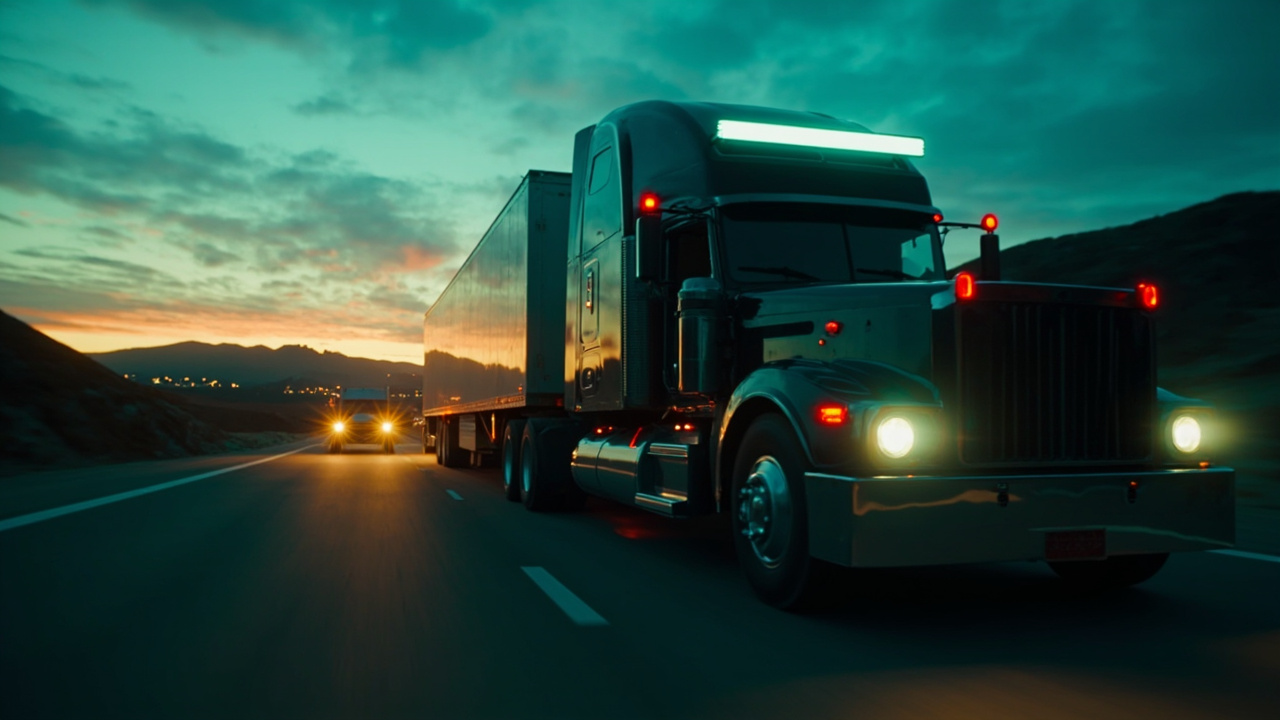
Self-driving freight trucks are officially testing on California highways. Aurora Innovation and Kodiak AI, two of the leading developers of autonomous trucking technology, have received permits from the California Department of Motor Vehicles to test their autonomous vehicle technology on public roads — and Kodiak has already started, running a handful of test trucks primarily around its Mountain View office.
The permits, granted under updated state rules approved on April 28, 2026, mark the first time heavy-duty autonomous trucks have been legally authorized to operate on California roads. For an industry that has spent a decade building its technology in Texas precisely because its home state banned it, this is a watershed moment: California is the largest trucking market in the United States, and until this month it was completely closed to autonomous freight.
What the permits actually allow
The testing permits come with meaningful restrictions. A human safety operator must be behind the wheel at all times, and companies are prohibited from operating on roads where the posted speed limit is 25 miles per hour or less, unless the truck is on a “direct route” between destinations.
Both companies applied for testing permits this spring under the DMV’s updated rules, which lifted a long-standing ban on driverless vehicles weighing over 10,000 pounds testing on public roads. According to the agency, Kodiak and Aurora met its full permitting criteria, including safety, insurance, vehicle registration, safety driver qualification, and other requirements.
It’s a deliberately staged pathway. Under the regulations, manufacturers must begin with supervised testing, progress to driverless testing, and only then apply for commercial deployment. The mileage bars are steep: 50,000 test miles for light-duty vehicles at each phase, and 500,000 miles for heavy-duty trucks. Each applicant must also prepare a structured safety case demonstrating the safety of its vehicle hardware, software, and operations.
The rules that unlocked the market
California’s April 28 regulation package is billed by the DMV as “the most comprehensive AV regulations in the nation,” the product of an extensive public comment and review process. Beyond simply opening the door to trucks, the rules materially expand oversight and enforcement in ways that will shape how every AV company operates in the state.
Law enforcement agencies can now cite AV companies directly for moving violations committed by their vehicles, through a formal Notice of AV Noncompliance process. AV companies must respond to first responder calls within 30 seconds and maintain two-way communication links plus manual override access. Local emergency officials are authorized to issue electronic geofencing directives — temporary “do not enter” zones — and AV fleets must clear a designated emergency area within two minutes of receiving such a message. Violations can trigger permit restrictions or outright suspension.
The rules also establish new standards for remote operations personnel, enhanced safety readiness criteria in the permitting process, and broader data reporting and enforcement tools. In other words, California didn’t just open the market; it tried to build the accountability infrastructure that has been missing from AV governance elsewhere.
Why California mattered so much
Aurora and Kodiak are both headquartered in California, but until recently they focused all of their testing and deployment activities in Texas because their home state banned autonomous heavy-duty trucks. That exile shaped the entire industry’s commercial geography.
Aurora launched its commercial self-driving truck service in Texas in May 2025, starting with a Dallas-to-Houston route, and has since expanded to Fort Worth–El Paso, El Paso–Phoenix, Fort Worth–Phoenix, and Laredo–Dallas. Kodiak began commercial driverless truck operations in January 2025 in an off-road environment in West Texas’ remote Permian Basin, and has since expanded to on-highway operations, including its own Dallas-to-Houston route.
Getting back into California is strategically significant for several reasons. The state’s ports — Los Angeles and Long Beach above all — handle a huge share of US container imports, and drayage from the ports to inland warehouses is one of the most valuable and repetitive freight corridors in the country. California also matters politically: as goes California, so often goes national regulation. The Teamsters and other labor groups have fought hardest precisely here, making California the symbolic frontline of the debate over autonomous freight.
The fight isn’t over
Despite the restrictions, the prospect of self-driving trucks on California’s highways continues to fuel fierce opposition. Last week — days before the permits were announced — Teamsters California sued the DMV in Alameda County Superior Court, alleging that the agency circumvented laws requiring it to study and publicly disclose the possible economic impacts of allowing self-driving trucks on public roads. The lawsuit also accuses the DMV of failing to adequately consider safety risks to motorists.
According to Politico’s reporting on the suit, the Teamsters allege the DMV underestimated the costs of deploying self-driving trucks on state roads by counting the cost of data-reporting compliance in a way that understated the true economic effects. The union has promised to use “every tool necessary” to stop driverless heavy-duty trucks, and the litigation guarantees that California’s AV-truck era will begin under a legal cloud.
The stakes for labor are real. Trucking employs hundreds of thousands of Californians, and port drayage in particular has long been a union stronghold. The industry’s counterargument — that autonomy addresses a chronic driver shortage and takes on the most grueling long-haul work — will now be tested against union opposition in court rather than just in the court of public opinion.
What comes next
For now, expect slow, deliberate expansion: supervised test trucks, daytime highway segments, and heavy data reporting back to the DMV. Kodiak’s initial operations around Mountain View suggest a cautious start on familiar roads near its engineering base, mirroring how robotaxi companies rolled out a decade ago.
The 500,000-mile requirement before driverless heavy-duty permits can even be requested means fully driverless freight in California is still years out. But the direction of travel is now unmistakable. Texas proved the commercial model; California has now provided the regulatory blueprint that other states can copy — staged permits, mandatory safety cases, first-responder guarantees, and enforcement teeth.
For the AV trucking industry, the California permits are less about immediate revenue than about legitimacy. The largest state in the union, with the strongest labor opposition and the most sophisticated regulatory apparatus, just concluded that autonomous freight can be managed safely under the right rules. That signal will echo through every statehouse still on the fence — and through the courtrooms where the Teamsters intend to make their stand.
Sources
- [1] https://techcrunch.com/2026/08/14/self-driving-trucks-are-officially-testing-on-california-highways/
- [2] https://www.dmv.ca.gov/portal/news-and-media/new-autonomous-vehicle-regulations-strengthen-oversight-and-enforcement-authorize-trucks-and-transit/
- [3] https://www.politico.com/news/2026/08/05/teamsters-sue-california-self-driving-truck-rules-01026055
- [4] https://www.trucknews.com/technology/kodiak-ai-receives-california-permit-for-autonomous-truck-testing/1003219983/