Tesla Sets September 3 for Cybercab Launch in Austin: The Steering Wheel-Free Robotaxi Goes Commercial
Tesla has sent invitations for a September 3 Cybercab launch event in Austin — the first commercial outing for its purpose-built robotaxi with no steering wheel or pedals, as Nevada approvals and a Waymo gap loom large.
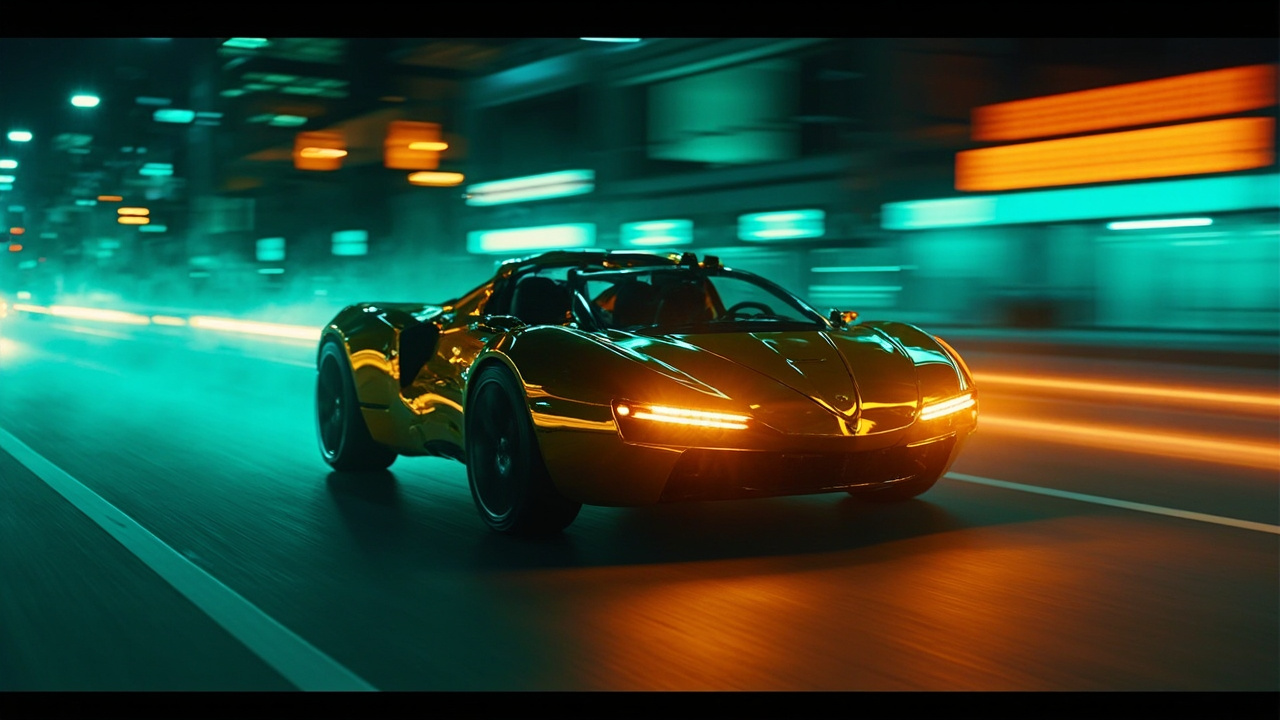
Tesla has finally put a date on the most consequential vehicle launch of its post-EV era. Over the weekend of August 22–24, the company began sending out invitations to a dedicated Cybercab Launch Event in Austin, Texas, on September 3, 2026, teasing “exclusive access” to the two-passenger driverless vehicle that has no steering wheel and no pedals. It is the first purpose-built Tesla robotaxi to appear publicly since the October 2024 reveal — and the clearest signal yet that Elon Musk’s robotaxi ambition is moving from pilot project to product line.
What the invitations say
The invites, first reported by Teslarati and Not a Tesla App, confirm a few concrete details. Attendees must be at least 21 years old (IDs checked at the door), may bring one approved guest — who cannot be a content creator — and must RSVP by August 30 at 11:59 p.m. Pacific Time. Tesla describes the gathering as a chance to “experience the future of autonomy,” language that strongly suggests attendees will get to ride in the Cybercab itself.
The event was seeded weeks earlier through a sweepstakes: riders who completed Robotaxi trips in Austin between August 17 and 23 earned entries to win invitations, with winners drawn on August 25. Tesla also published an alternate free-entry path to satisfy sweepstakes rules. The September 3 date in the invitations is the first official confirmation of the launch timing.
The vehicle: no wheel, no pedals, no fallback
The Cybercab is a radical departure from Tesla’s current Robotaxi fleet of modified Model Y SUVs. It is a compact two-seater designed from the outset without conventional driver controls — no steering wheel, no brake pedal, no accelerator. There is, as Electrek pointedly observed, “no version of it that works without a self-driving system.” The vehicle depends entirely on Tesla’s camera-based autonomy stack, with remote operators able to intervene in emergencies.
The first production Cybercab rolled off the Gigafactory Texas line in February 2026. Tesla has been testing production units on Austin’s public streets since June, running employee rides on private roads, and training local first responders — a playbook that mirrors how the company staged its original Model Y robotaxi pilot in June 2025.
According to a Reuters report citing The Information, the commercial rollout will be deliberately staged: Cybercab rides will begin with Tesla employees before the vehicles are added to the public Robotaxi app fleet. Musk himself set expectations on the July earnings call: “We need to accumulate driving data that is specific to the Cybercab before we can put a lot of them on the road.”
The uncomfortable context: 380,000 miles vs. 220 million
The September 3 launch lands amid scrutiny of just how small Tesla’s autonomous operation still is. In its latest earnings update, Tesla reported roughly 380,000 cumulative driverless miles across its Robotaxi hubs. Waymo, which has run a commercial driverless service since 2020, has logged more than 220 million rider-only miles — and currently accounts for 100% of California’s paid robotaxi rides, per Road to Autonomy. Third-party tracking cited by Zag Daily puts the number of active unsupervised Tesla vehicles across Austin, Dallas, and Houston at just 32, with the wider fleet mixing supervised and unsupervised cars.
That gap is why the Cybercab matters more as a bet on unit economics than as a demo. A vehicle built without a driver’s seat, mirrors, or human controls is cheaper to produce (analysts have pointed to a target price under $30,000 for eventual consumer sale) and cheaper to operate at scale — but only if the autonomy software can carry it. Tesla is reportedly intentionally limiting new Model Y additions to the Robotaxi fleet as it prepares to scale the Cybercab instead.
Regulators are clearing the runway
The regulatory picture shifted materially in the weeks before the launch. In Nevada, the state Transportation Authority approved permits for Tesla, Waymo, and startup Aviari to operate paid, fully autonomous robotaxi services in Clark County — authorizations covering up to 7,000 vehicles combined. Tesla had sought approval for as many as 5,000 of its own in Southern Nevada; local reporting indicates its initial state allocation is far smaller, subject to staged limits. Tesla has also secured a Transportation Network Company permit in Arizona, opening the door to a statewide paid service, following earlier approvals to run robotaxis in the Bay Area, Phoenix, and beyond.
Tesla is not alone in betting on purpose-built hardware. Amazon’s Zoox, whose toaster-shaped robotaxi likewise dispenses with steering wheel and pedals, received a commercial exemption from NHTSA last month to begin charging fares. The difference is scale: Tesla wants to build the Cybercab on automotive production lines at Giga Texas, not hand-assemble a fleet.
What to watch on September 3
Beyond the party logistics, the event should answer the questions that actually determine whether the Cybercab is a business or a showcase:
- Fleet size and ramp: how many Cybercabs exist today, and what production cadence Tesla commits to for the rest of 2026.
- Public availability timing: when employee rides end and app users in Austin can hail one.
- FSD V15: JPMorgan, after meeting Tesla’s investor relations team, relayed that FSD V15 is already being tested in the robotaxi fleet with seven named areas of improvement — expect version timing details.
- The form-factor roadmap: Tesla has told investors the Cybercab is only the first purpose-built robotaxi, with additional vehicle types planned — the Robovan being the stated example.
The stakes
Musk has framed the robotaxi network as potentially the most valuable part of Tesla, and the market has largely priced the story on faith. September 3 is the moment the story has to start producing receipts: a real vehicle, on real streets, carrying real passengers, with no human aboard and no wheel to grab. Waymo has proven driverless ride-hailing works; Zoox has proven purpose-built hardware can be approved. Tesla’s bet is that mass manufacturing — not lidar, not geofence-by-geofence expansion — is the variable that decides who wins autonomous transport.
Eleven days out, Austin has the invitations. The rest of the industry has the date circled.
Sources
- [1] https://www.teslarati.com/tesla-cybercab-launch-official-date-austin/
- [2] https://www.notateslaapp.com/news/4600/tesla-confirms-date-for-cybercab-event-sends-out-invites
- [3] https://www.tesla.com/event/cybercab-event-sweepstakes
- [4] https://www.reuters.com/business/autos-transportation/tesla-prepares-cybercab-launch-august-starting-with-rides-employees-information-2026-08-17/
- [5] https://zagdaily.com/connected/tesla-prepares-cybercab-launch-as-robotaxi-fleet-remains-limited/
- [6] https://www.8newsnow.com/news/local-news/tesla-waymo-aviari-approved-to-operate-7000-robotaxis-in-clark-county/
- [7] https://www.roadtoautonomy.com/california-paid-robotaxi-rides/
- [8] https://electrek.co/2026/08/17/tesla-cybercab-launch-least-exciting-vehicle-ever/