Cognition Takes Over Cruise's Abandoned SF Headquarters — the Symbolic Handover of SoMa to AI
The $26B Devin maker signed a five-year lease for 180,000 sq ft at 333 Brannan St. — the robotaxi company's former HQ — expanding its footprint sevenfold as Bloomberg reports fresh talks at a $40B valuation.
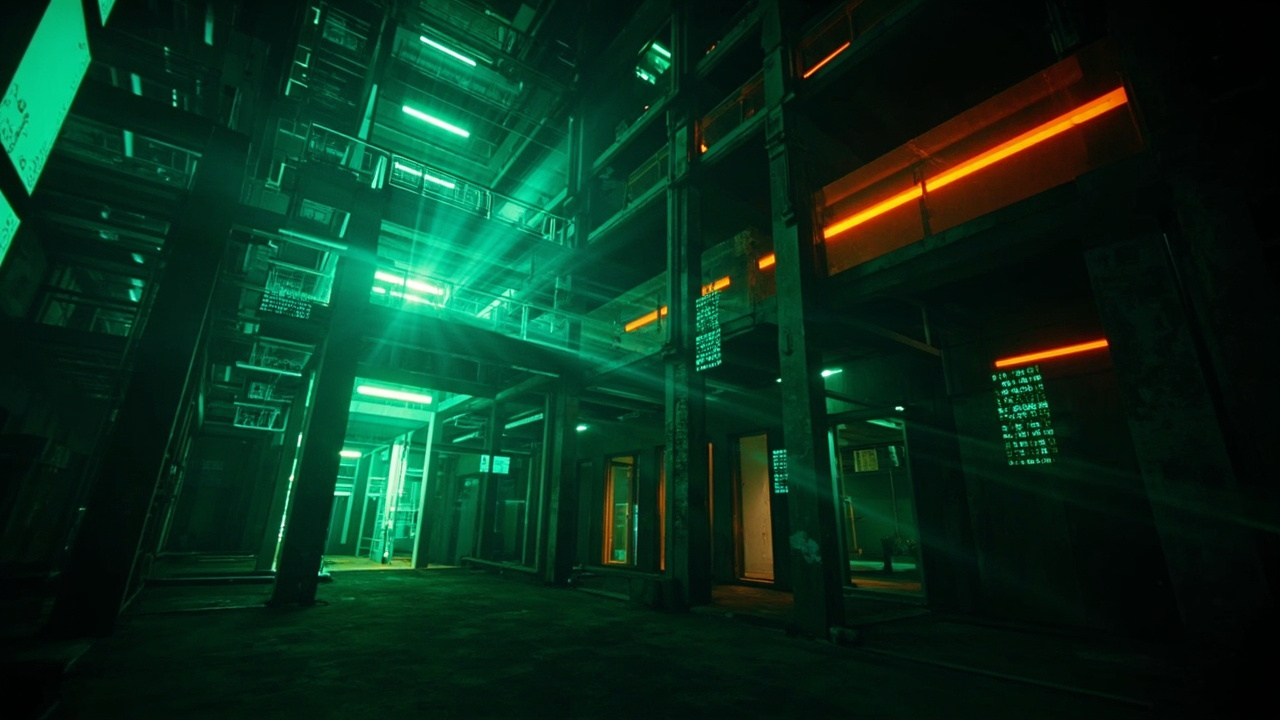
There is a particular kind of San Francisco story that functions as a time capsule: one era’s ambition physically handed over to the next. This week delivered a textbook example. Cognition, the startup behind Devin, the autonomous AI agent that plans, writes, tests, and ships production code, has signed a lease for 333 Brannan St. — a 180,000-square-foot South of Market building that once formed part of the sprawling headquarters campus of Cruise, the General Motors-backed robotaxi company whose fortunes collapsed in spectacular fashion.
The deal, first reported by the San Francisco Chronicle and confirmed by multiple real estate sources familiar with the transaction, runs for five years in the Kilroy Realty-owned building. Cruise had placed the building on the sublease market years earlier as its robotaxi business unraveled. Cognition is taking over that sublease, and the symbolism is difficult to miss: the company that promised autonomous software engineering is moving into the shell of the company that promised autonomous driving.
The deal itself
The numbers tell the story of two companies moving in opposite directions. Cognition currently occupies just 25,000 square feet at 550 Third St. in the South Park neighborhood. The new lease expands its San Francisco footprint more than sevenfold overnight. The transaction was brokered by CBRE. Cognition did not respond to a request for comment, and a Kilroy representative declined to comment — standard silence around a deal of this size, but the building permits and broker confirmations speak for themselves.
For Cognition, the move is the physical expression of a staggering fundraising arc. The company’s valuation has climbed from about $4 billion in March 2025 to $26 billion after raising more than $1 billion in May 2026 — a 6.5x increase in roughly fourteen months. And the trajectory may not be finished: Bloomberg reported on August 12 that Cognition is already in early talks with investors for a new round at a valuation of $40 billion or more, which would push it past Cursor maker Anysphere in the AI coding hierarchy.
Founded in 2023 by Walden Yan, Steven Hao, and Scott Wu, Cognition counts Peter Thiel’s Founders Fund and Bain Capital Ventures among its backers. The company reportedly had more than 200 employees as of March — a headcount that would have made a 180,000-square-foot headquarters seem absurd, but that is precisely the point. This is a lease signed in anticipation of growth, not in accommodation of it. Revenue reportedly grew 13x in a year to $492 million, with 90% of Cognition’s own code now written by its AI.
The Cruise collapse, in brief
Cognition’s rapid rise stands in sharp contrast to the fortunes of 333 Brannan’s former tenant. Cruise was among the earliest major companies to test autonomous vehicles on San Francisco streets, and at its peak occupied at least five San Francisco office buildings, including 375,000 square feet across 301, 333, and 345 Brannan St.
The unraveling began with an October 2023 crash in San Francisco that prompted state regulators to suspend the company’s driverless testing and deployment permits. Federal regulators later found that Cruise had failed to fully report details of the incident. General Motors, which owned a majority stake, stopped funding the robotaxi operation in 2024 and moved to take full control of the company. GM subsequently cut roughly half of Cruise’s workforce and folded much of its remaining technology and talent into its own autonomous-driving and driver-assistance programs.
The real estate retreat followed the organizational one. In 2024, Cruise put its 110,000-square-foot office at 345 Brannan St. on the sublease market — seven years before its lease was set to expire. That building remains vacant today. Another 80,000-square-foot building at 301 Brannan St. had been marketed for sublease since at least 2021. Cognition’s takeover of 333 Brannan fills the largest of the three, but the campus is far from fully reoccupied.
SoMa’s AI era
The leasing market context matters here. SoMa, once a hotbed for tech firms and bursting at the seams in the years leading up to the pandemic, has been among the areas hardest hit by the post-2020 retreat of San Francisco’s office tenants. Vacancy in the neighborhood has been among the highest in the city, and buildings like Cruise’s former campus became emblems of the downturn.
AI companies are now the ones pulling the market back. “This is another example of an AI occupier scaling and committing to a large block of office space,” Derek Daniel, regional research director for real estate firm Colliers, told the Chronicle. He noted that office demand from young AI startups and other companies has become “more broad across the city with activity increasingly pushing into SoMa.” Colliers data suggests that if leasing continues at the current pace, 2026 may end the year with a record level of office leasing volume.
Cognition is not alone. OpenAI has been expanding its own SoMa footprint, and a wave of AI startups has been absorbing the office space abandoned by the pandemic-era retreat of legacy tech and fintech tenants. The pattern is consistent enough that brokers now describe AI as the primary demand driver in the San Francisco office market — the sector that replaced software-as-a-service as the city’s growth engine, just as SaaS once replaced the advertising and consumer-internet boom before it.
The ‘extreme’ culture question
The Chronicle’s reporting also highlighted a more contentious aspect of Cognition’s rise: its “extreme” work culture, with founders offering buyouts to a handful of employees who were unwilling to let go of work-life balance. The practice, which drew wide attention earlier this year, is part of a broader pattern among AI-native startups where intensity is treated as a competitive weapon in a race perceived to have existential stakes.
A 180,000-square-foot headquarters raises the stakes of that bet. Office leases are a commitment to headcount growth — five years of it. If AI coding agents like Devin continue to convert enterprise budgets into revenue at anything close to the current rate, the building will fill. If the agentic coding market consolidates faster than expected — and competitors like Cursor, GitHub Copilot, Claude Code, and Google’s tools are all fighting for the same budgets — the lease becomes a very expensive monument to peak optimism.
That is the double meaning of this handover. Cruise signed big leases in SoMa because it believed autonomy was imminent and inevitable. Cognition is signing them now for the same reason. The robotaxi company’s crash and the AI company’s rise are separated by barely two years of San Francisco history, occupying the same square footage of the same neighborhood. Whether the second bet proves more durable than the first is the question the entire AI industry is currently asking itself — and for once, the answer will be visible from the sidewalk on Brannan Street.
Sources
- [1] https://www.sfchronicle.com/realestate/article/new-sf-ai-startup-cognition-takes-cruise-s-office-22406725.php
- [2] https://finance.yahoo.com/technology/ai/articles/exclusive-ai-startup-extreme-culture-174804145.html
- [3] https://www.bloomberg.com/news/articles/2026-08-12/ai-startup-cognition-in-new-funding-talks-at-40-billion-value
- [4] https://thenextweb.com/news/cognition-just-raised-1-billion-at-a-26-billion-valuation-and-90-of-its-own-code-is-written-by-its-ai
- [5] https://www.costar.com/article/592102947/san-francisco-scores-latest-win-with-ai-startups-full-building-office-lease