Uncanny and Unappetizing: Why AI-Generated Food Menu Images Are Killing Appetites
From leathery meat to bread that looks like reptile skin, AI-generated menu images are flooding restaurants — and diners are fighting back with graffiti, viral shaming posts, and 200,000-like pledges to stay AI-free.
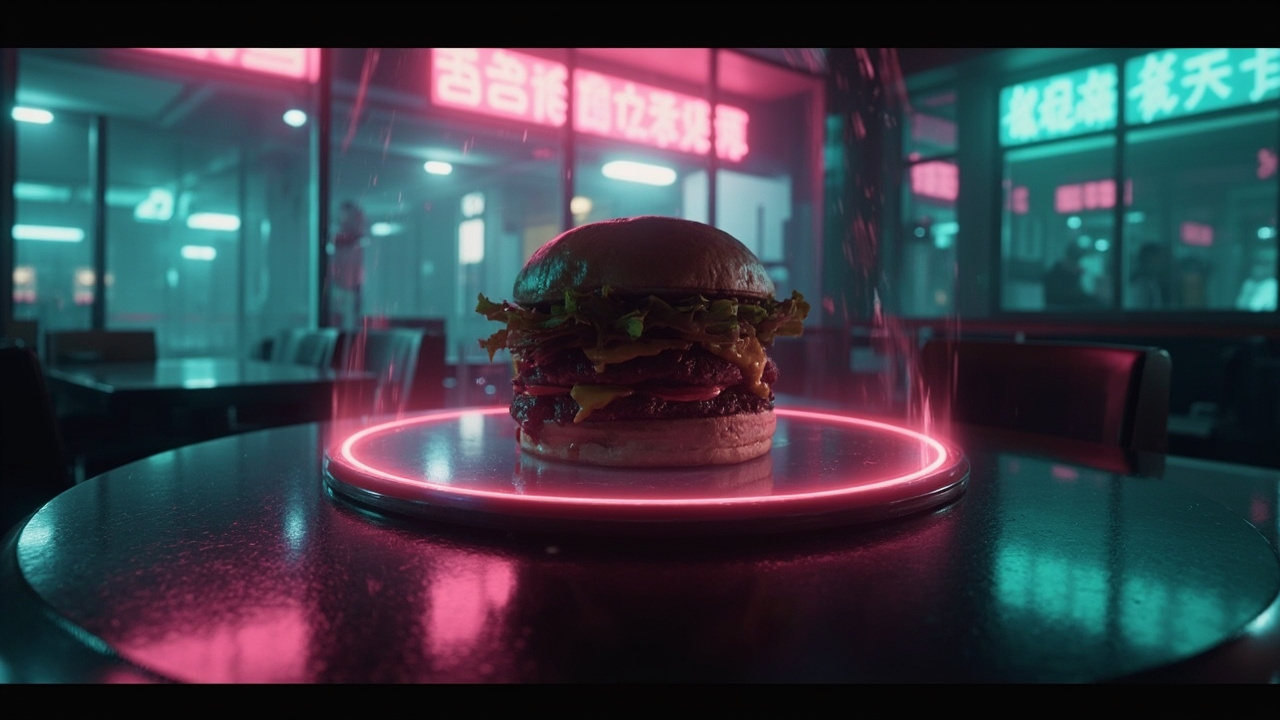
Jill Sennett was on a lunch break at her Denver hospital when she saw something so unappetizing she had to share it with her 26,000 followers on X: menu images from a Jamaican barbecue pop-up in which the meats looked, in her telling, like leather belts crawling with tiny beetles. The images were AI-generated. More than 500 people reshared her post, expressing a shared disgust at what has quietly become one of the most visible frontiers of generative AI’s creep into everyday life: the restaurant menu.
The Guardian, in a report published September 6, 2026, is the latest outlet to document the trend — one that has been building through the summer across WIRED, NBC News, and Business Insider — of restaurants turning to image generators like ChatGPT to produce menu photos instead of hiring photographers or graphic designers. The results, diners say, range from hilariously uncanny to downright nauseating: bread with the texture of reptile skin, glossy meats that resemble vinyl, garnishes arranged with an impossible symmetry that no human cook would produce.
The manager of the Denver restaurant that hosted the pop-up was candid about the economics. He confirmed to the Guardian that he had used ChatGPT for the menu images instead of paying a graphic designer, as he does for his bricks-and-mortar location. “We decided we would design something that was eye-catching,” he said, declining to give his name. “Restaurant people are trying to be cost-effective.”
The numbers behind the slop
This is not a fringe phenomenon. A 2026 report from the National Restaurant Association found that 26% of restaurant operators now use AI to help with marketing, inventory management, employee scheduling, menu optimization, and order-taking. Marketing is precisely where generative images enter the picture — literally. With food and labor costs high and margins thin, a free image generation prompt looks attractive compared with a professional food shoot that can cost hundreds of dollars per dish.
But the backlash can be swift and unusually personal. In San Francisco — a city that doubles as the AI industry’s capital — a cafe called Grind & Unwind put up signage depicting menu options that locals quickly identified as AI-generated. The response was vandalism: someone graffitied the storefront with a word the cafe’s owner, Lyndsey Lozano, deciphered as “seriously.” In a Reddit post titled “Yum, slop,” commenters compared the images of bread to reptile skin and a loofah. Lozano told SFGate in July that the response was “not what we were expecting,” that the signage was only temporary, and that she and her husband took it down and spent an estimated $700 painting over the graffiti.
The inverse dynamic is also going viral. When Chugwater Soda Fountain, a restaurant in Wyoming, shared a pledge written on cardboard — no AI, hand-drawn burger images instead — the Instagram post drew more than 200,000 likes. Commenters celebrated the homespun authenticity, even as others noted the irony of posting an anti-AI message on an AI-powered platform.
Why AI food images fail
Professional food photographers are not surprised the images look wrong. Jamie Soja, a Bay Area photographer who has shot restaurant marketing and food-delivery imagery, told the Guardian that the failure mode is consistent: “The color and texture and the ingredients look kind of off in the way that they’re arranged,” and the lighting can look unnatural. Current image models are trained to produce statistically plausible food, not chemically and physically true food — so textures drift toward plastic, highlights land in impossible places, and portion geometry obeys aesthetics rather than gravity.
There is also a measurable psychology behind the revulsion. Charles Spence, a professor of experimental psychology at Oxford, found in a 2024 study that consumers generally preferred AI-generated food images when they didn’t know they were machine-made. After disclosure, the same images became less appealing. Spence also found that image generators alter food in predictable ways: prompted to make dishes look appealing, they add fat — butter melting into mashed potatoes, glossier sauces, richer marbling. His concern is that this quietly nudges both diners and chefs toward larger, fattier portions, a subtle re-engineering of appetite at population scale.
DoorDash, for its part, is leaning in rather than out. The delivery platform offers restaurants AI photo tools “to improve the presentation of an existing image of a dish” by adjusting lighting, color, or background, and automatically applies an “AI-enhanced” label when the tools are used. The company says its policies prohibit misleading images and that it reviews menu photos for compliance. But as Soja notes, even a professional photographer can struggle to distinguish a generated image from a merely over-edited one — which points to a labeling regime whose enforcement will only get harder as the models improve.
The slop economy
WIRED’s September 3 analysis framed the trend as structural rather than aesthetic. AI-generated menus are not just ugly; they are the visible edge of an economic shift in which small businesses adopt generative tools to survive margin pressure, and the cost of that adoption is pushed onto consumers in the form of degraded information. A menu photo is a promise: this is roughly what you will receive. An AI image severs that promise from reality while making it prettier — which is arguably worse than no image at all, because the mismatch is systematic and undisclosed.
For the AI industry, the food-menu backlash is a small but revealing case study in trust erosion. The same technology that produces stunning synthetic humans and cinematic video still cannot depict a credible hamburger — a fact Sennett takes some pleasure in. “It can do uncanny videos of celebrities, but it can’t depict a hamburger,” she told the Guardian. “I hope it stays that way, honestly, and we can shame [restaurants] into stopping.”
Whether shaming works is an open question. The National Restaurant Association’s numbers suggest adoption is rising, not falling, and delivery platforms are actively wiring generation into their merchant tools. The more likely near-term equilibrium is disclosure norms of the kind DoorDash is experimenting with — small labels, quietly applied, that let consumers decide how much synthetic appetite they are willing to swallow.
Sources
- [1] https://www.theguardian.com/technology/2026/sep/06/ai-food-menu-images
- [2] https://www.wired.com/story/ugly-ai-food-photos-are-only-the-beginning/
- [3] https://www.nbcnews.com/tech/tech-news/side-slop-bizarre-ai-food-images-jump-online-irl-menus-rcna594786
- [4] https://www.businessinsider.com/menus-are-getting-ai-sloppified-and-the-images-are-terrifying-2026-8