The Night Before Connect: Meta's Glasses-First Bet Meets the Agent Era
Hours before Zuckerberg's September 23 keynote, leaks point to camera-free Luna glasses, a 100g Phoenix headset, and Muse upgrades — Meta's biggest test of whether AI wearables can carry a hardware business.
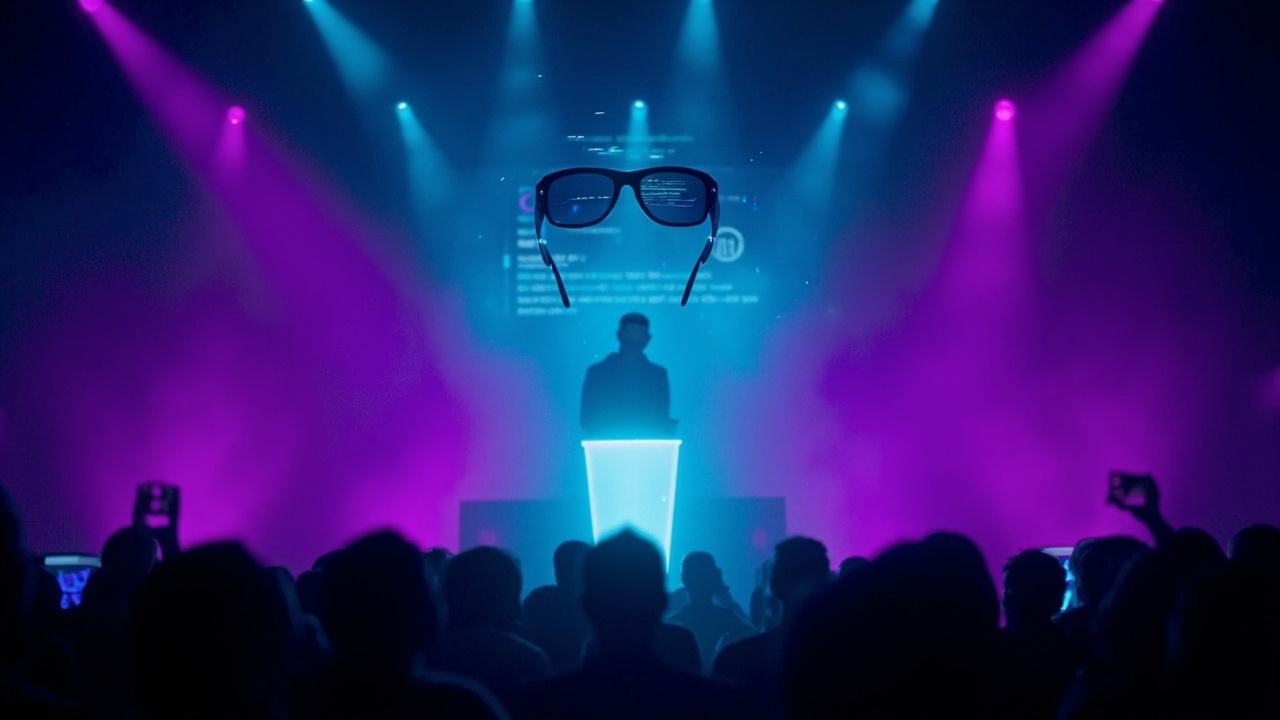
Hours from now, Mark Zuckerberg will walk onto a stage at Meta’s Menlo Park campus and open Meta Connect 2026. The two-day conference runs September 23–24, with the keynote scheduled for 4PM PT / 7PM ET on the 23rd — an evening slot Meta has deliberately chosen for maximum attention. For a company that has spent the past year remaking itself around AI agents, this keynote is less a product showcase than a progress report on the biggest hardware gamble in the company’s history: that AI wearables, not phones, are the next platform.
What the Leaks Say
Meta has kept the official agenda tight, but the supply-chain and disclosure trail around this event is unusually rich. Here is what multiple outlets and leakers converge on.
Luna: camera-free AI glasses. The safest bet of the show. Luna is described as a pair of smart glasses with no camera at all — a deliberate privacy-first design aimed at people who found earlier smart glasses socially uncomfortable. Instead of imaging hardware, Luna reportedly carries six microphones, a dedicated Meta AI (Muse) button, and slimmer arms than current Ray-Ban Meta glasses. The pitch is simple: you get a conversational AI assistant on your face, it looks like a normal pair of frames, and nobody around you has to wonder whether they’re being recorded. Reports suggest two styles at launch, with availability possibly as soon as October.
Phoenix: a 100-gram mixed reality headset. The more ambitious rumor. Project Phoenix is described as a next-generation MR headset weighing around 100 grams total — a fraction of the 515-gram Quest 3 — achieved by moving the processing puck off-head and tethering it. Leaked specifications point to 2500×2500 microOLED displays per eye, eye and face tracking, and a premium price positioning. Road to VR and UploadVR both report that Meta may demo Phoenix at Connect alongside a full-body, photorealistic “hologram call” experience built on its Codec Avatars research — the culmination of years of avatar work compressed into a single demo moment.
Muse and the agent stack. This is where Connect intersects the story the entire industry has been living through this month. Meta’s Muse agent — the personal AI agent that shops, books, and transacts on a user’s behalf — has spent the past two weeks at the center of a fight over whether agents should be allowed to act inside other companies’ storefronts. Amazon blocked Muse from Amazon.com, citing terms-of-service violations and security risks; Shopify then moved to wire Muse into Shop Pay across its merchant base. Whether Zuckerberg addresses the agent-access war head-on, or simply shows Muse running natively on glasses, is the storyline to watch.
What probably won’t appear. Most analysts expect Quest 4 to stay pointed at the second half of 2027, and Meta’s save-the-date materials have conspicuously avoided dangling a new Quest. The smart money says glasses and AI carry this keynote.
Why This Keynote Matters More Than Usual
Connect keynotes are normally product events. This one arrives at a moment when three Meta narratives collide.
First, the hardware. Ray-Ban Meta glasses have been the rare unambiguous hardware win of the AI era — multiple sold-out cycles, real retention, and a genuine consumer use case. Luna extends that franchise down-market and de-surveillance-ifies it. Phoenix, if it materializes at the leaked specs, is a direct answer to Apple’s Vision Pro line at a weight class Apple hasn’t reached.
Second, the agents. Muse is Meta’s bid to own the consumer agent layer — the layer that OpenAI, Google, and Amazon are all racing to claim. The difference is that Meta is the only player shipping a wearable distribution channel for its agent at scale. If “talk to your agent through your glasses” works as an interaction model, Meta leapfrogs the app-store gatekeepers entirely.
Third, the economics. Meta’s Reality Labs division has burned well over $60 billion cumulatively, and the market’s patience for that spend depends on AI glasses demonstrating a credible path to being the next computing platform rather than a very expensive hobby. A strong Connect — real Luna pricing, real Phoenix specs, a coherent Muse-on-glasses story — strengthens the case that the wearables bet is converging with the AI bet. A weak one revives the “when does this division get restructured” question.
The Open Questions
- Price. Luna’s positioning against the $379 Ray-Ban Meta Gen 2 will determine whether camera-free glasses are a mainstream product or a niche privacy accessory. Early chatter suggests a lower price point to drive volume.
- Phoenix availability. A demo is not a launch. If Phoenix appears only as a research showcase, the headline writes itself as “someday”; if Meta commits to a ship window, it resets the premium MR conversation.
- Muse on-device. Running agent workloads locally versus in the cloud is the quiet technical story — Luna’s camera-free, mic-first design implies a heavy lean on cloud inference, which raises the latency and privacy questions Meta will need to answer.
- The Llama-shaped hole. Registration-page chatter and industry summaries widely expected this Connect to cover “the next Muse models” and the Llama lineage. How Meta frames its open-weights strategy now that Muse has effectively displaced Llama as the consumer-facing brand will be a defining moment for the open-source community that grew up around Llama.
The Bottom Line
Connect 2026 is Meta’s argument that the agent era needs a body. Every other frontier lab is racing to put agents into browsers, apps, and APIs; Meta is alone in betting that the agent’s home is a pair of glasses. Tomorrow evening we find out how far along that bet actually is — one camera-free pair of frames, one impossibly light headset, and one very loud agent controversy at a time.
Sources
- [1] https://www.meta.com/connect/
- [2] https://www.engadget.com/2262932/what-to-expect-at-meta-connect-2026-new-ai-glasses-a-mixed-reality-headset-and-more/
- [3] https://vr.org/meta-connect-2026
- [4] https://www.uploadvr.com/meta-could-demo-phoenix-headset-at-connect-with-full-body-codec-avatars/
- [5] https://roadtovr.com/meta-project-phoenix-connect-unveiling-codec-avatar/
- [6] https://smartglassesgeek.com/meta-connect-2026-preview-what-to-expect/
- [7] https://killtheai.com/news/top-10-ai-news-today-september-5-2026/