Spinning Rust Strikes Back: Toshiba Will Double HDD Capacity for AI Data Centers by 2027
Toshiba is spending ¥60B ($380M) to double hard-drive output for AI data centers by FY2027, targeting 30% capacity share — and the news instantly wiped 10-12% off Seagate and Western Digital.
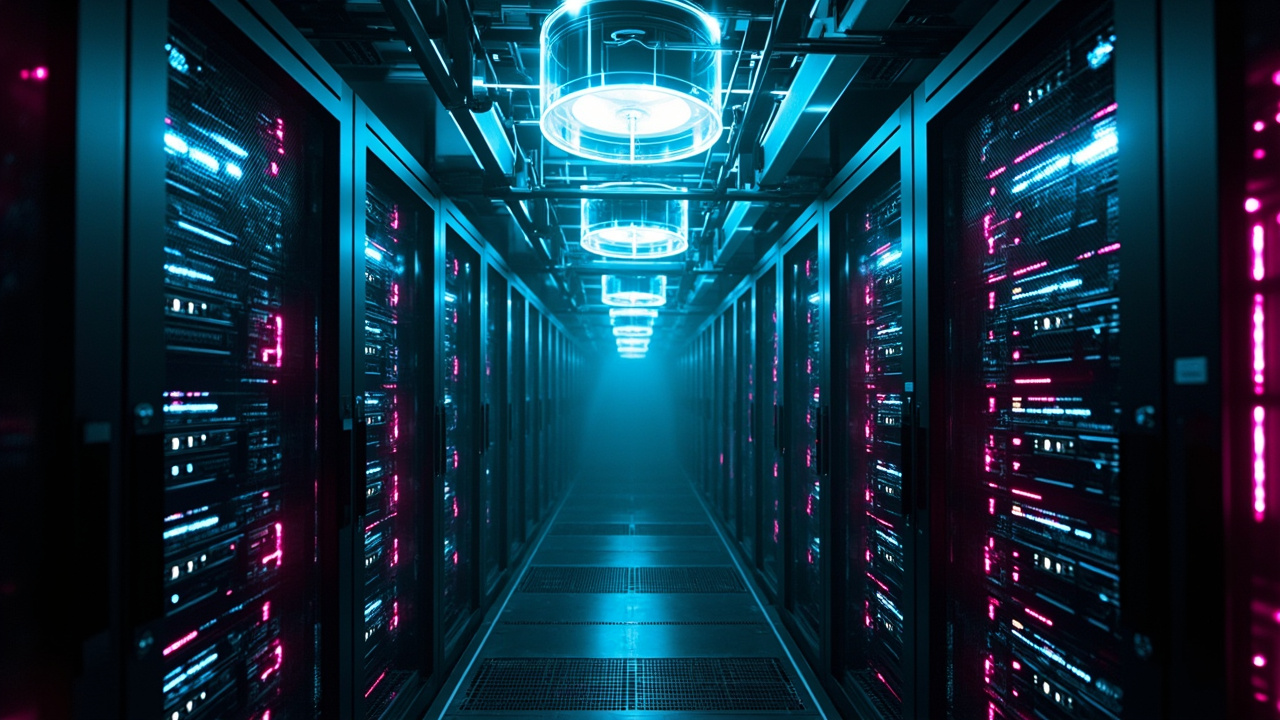
The most incongruous comeback story of the AI boom just got a price tag. Toshiba, a company most people associate with laptops that stopped being cool a decade ago, announced it will invest roughly ¥60 billion (about $380 million) to double its production capacity for hard-disk drives used in AI data centers by fiscal 2027, measured against its fiscal 2025 baseline. The target: grow from just over 10% of the market by shipped storage capacity today to 30% over the medium term.
The market’s reaction was immediate and brutal. Seagate fell roughly 10-12% on the news and Western Digital dropped around 7-10%, with Morningstar reporting WDC closing down 10% at $414.63 — still up a remarkable 140% year-to-date even after the slide. A single Nikkei report about a company with a tenth of the storage market was enough to erase billions in market cap from the two incumbents. That tells you everything about how tightly wound investor expectations in the AI storage trade have become.
Why AI is suddenly desperate for hard drives
The seemingly paradoxical driver here is a memory shortage. As Nikkei reports, the explosive demand for AI chips has consumed the supply of NAND flash, driving SSD prices up to the point where hyperscalers are re-tiering their storage pyramids. Hard drives, with their much lower cost per terabyte, are absorbing the overflow — everything from training corpora and checkpoint archives to video data and the enormous intermediate artifacts that agentic AI pipelines generate.
The numbers behind the crunch are stark. Seagate said back in January that its entire nearline storage capacity for 2026 was already sold out. Western Digital has announced plans to invest $1 billion to expand its own facilities. Lead times for enterprise drives have stretched beyond 12 months in some cases, with AI training data demand pushing hard drives into genuine backorder territory. HDDs — declared dead by every tech pundit sometime around 2012 — are now one of the tightest bottlenecks in the entire AI supply chain.
Toshiba’s move is effectively a bet that this is structural, not cyclical. The company will build new production lines at its Philippine manufacturing hub (its first major capacity expansion there in years), with the new lines producing drives carrying up to 40% higher capacity per unit. The roadmap doesn’t stop there: Toshiba is reiterating plans for 30TB-class drives now, mass production of 65TB-class drives by 2030, and eventually 100TB-class drives beyond that.
A contrarian break from the duopoly’s playbook
What makes this expansion genuinely interesting is that it defies industry consensus. As Forbes storage analyst Tom Coughlin notes, Toshiba’s plan to increase HDD production 2x by 2027 “breaks with Seagate and WD,” who have spent the last decade deliberately managing supply downward, treating capacity discipline as the strategy that saved the HDD business from commoditization. The incumbents’ logic was sound for the data-center era: keep exabyte growth modest, keep prices firm, harvest cash.
AI broke that logic. When your customers are building gigawatt-scale training clusters and every checkpoint of a frontier model consumes petabytes, demand for cheap bulk storage goes vertical, and capacity discipline simply hands share to whoever is willing to build. Coughlin Associates had estimated only a modest 1.2% increase in HDD unit shipments from 2025 to 2026, with median long-term growth of 11% by 2030 — forecasts that now look conservative if Toshiba’s 30% share target is to be taken seriously.
The technology angle matters too. Seagate has pushed HAMR (heat-assisted magnetic recording) into volume, shipping 40TB+ and even 44TB drives qualified at hyperscalers. Western Digital answered with an 11-disk 32TB drive using ePMR and shingled recording, and both showed aggressive high-capacity roadmaps at the 2026 AI Infra Summit in September. Toshiba, characteristically, is taking the volume-and-cost path: rather than betting everything on areal-density records, it is adding lines that squeeze more standard platters and better per-unit efficiency into each drive. If nearline demand stays supply-constrained, being the cheap, available option is a winning position — the technology laggard’s revenge.
What it means
For data center operators, more supply is unambiguously good news. Storage has become a real constraint on AI infrastructure economics, and a third entrant scaling hard relieves pressure that would otherwise show up as higher storage capex or rationed capacity. For investors, the lesson is that the AI hardware boom is broadening beyond GPUs into every supporting layer — memory, storage, power, cooling — and that market-share assumptions in any of these layers can be repriced overnight.
For Toshiba itself, this is a rare moment of relevance. The company that once seemed permanently diminished after its accounting scandal and nuclear write-downs now finds itself holding assets — HDD manufacturing scale and Philippine fab capacity — that are strategically vital to the most capital-intensive technology buildout in history. Doubling down, literally, on spinning rust in 2026 looked eccentric a year ago. Today it looks like one of the sharper infrastructure calls of the cycle.
The open question is execution. Toshiba must actually deliver doubled capacity by FY2027 in a market where components, cleanroom equipment, and skilled labor are all contested, and where Seagate and WD will not cede share quietly — both have their own expansion plans and deeper HAMR/areal-density moats. But whether or not Toshiba hits exactly 30% share, the era of supply discipline in hard drives is over. AI eats storage, and the industry is finally building for it.
Sources
- [1] https://asia.nikkei.com/business/electronics/toshiba-to-double-hard-disk-drive-supply-to-fill-ai-chip-memory-gap
- [2] https://www.tomshardware.com/pc-components/hdds/toshiba-to-double-hdd-production-capacity-as-30tb-class-loom-65tb-100tb-drives-on-the-roadmap-for-2030-and-beyond
- [3] https://www.trendforce.com/news/2026/10/02/news-toshiba-to-double-ai-data-center-hdd-capacity-by-fy2027-with-380m-expansion-as-ai-storage-demand-surges/
- [4] https://finance.yahoo.com/technology/ai/articles/toshiba-double-hard-disk-output-023335775.html
- [5] https://www.forbes.com/sites/tomcoughlin/2026/10/03/toshiba-will-double-hdd-manufacturing-capacity-by-2027/
- [6] https://www.barrons.com/articles/seagate-stock-western-digital-ai-data-centers-ab47e2a8