Apple v. OpenAI Heats Up: Injunction Motion, Public Rebuttal, and an October 1 Showdown
Apple wants a federal judge to bar OpenAI from using allegedly stolen hardware secrets; OpenAI calls the suit 'careless' and demands dismissal — with a pivotal October 1 hearing ahead.
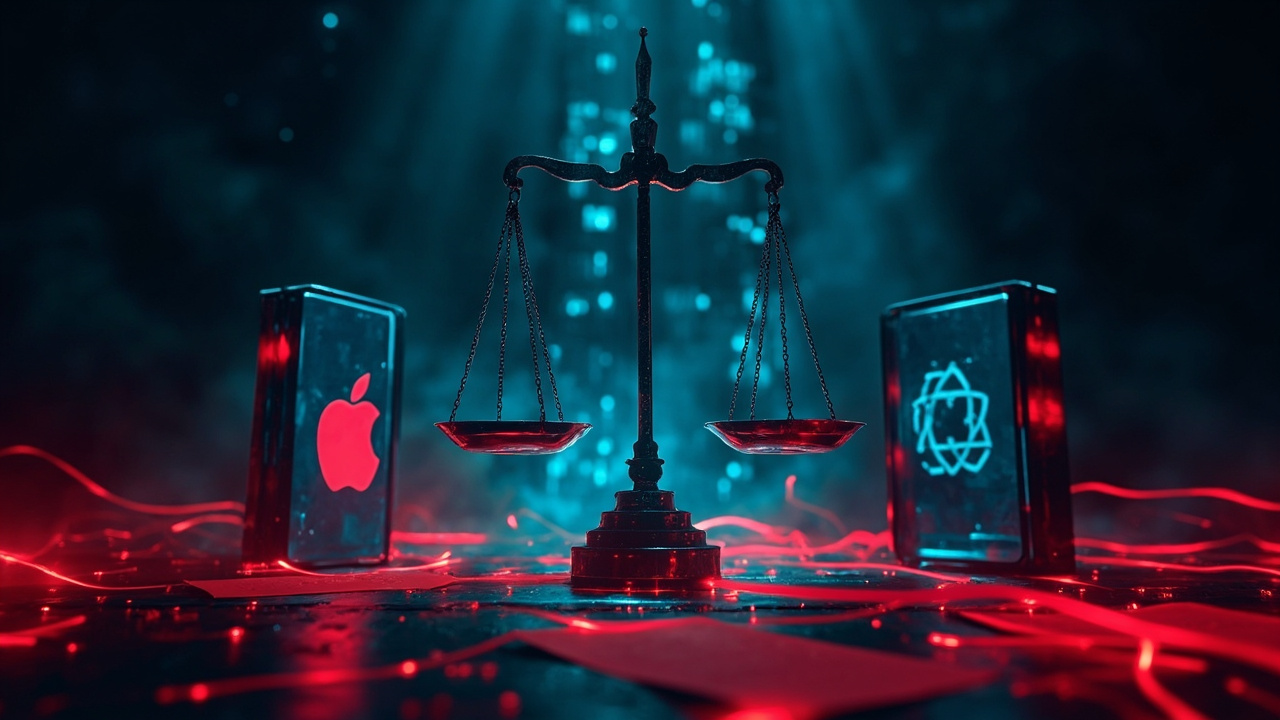
What began in July as a salacious trade-secrets complaint has hardened into the highest-stakes legal fight in the AI industry. On August 4, Apple asked a federal judge to immediately stop OpenAI from using what it calls stolen trade secrets; two days later OpenAI asked the same judge to throw the case out entirely. Both motions now converge on a single hearing — October 1, 2026, before U.S. District Judge Edward Davila in San Jose — with OpenAI’s response to the injunction bid due August 17.
At stake is not just money. The case, Apple Inc. v. Liu (5:26-cv-07078, N.D. Cal.), will shape how talent flows between frontier AI labs and the consumer-hardware giants they are increasingly colliding with — and whether the next wave of AI devices gets built on Apple’s silicon or OpenAI’s.
The complaint: a “pattern of misconduct”
Apple sued OpenAI on July 10 in federal court in Northern California, accusing the ChatGPT maker of orchestrating a campaign to steal confidential hardware secrets. The complaint names two former Apple employees turned OpenAI staffers as individual defendants: Tang Tan, a 24-year Apple veteran and former VP of product design who oversaw iconic hardware programs, and Chang Liu, a former iPhone hardware engineer who joined OpenAI in January 2026.
The allegations read like a screenplay. Apple claims Liu left the company but never returned his Apple-issued MacBook, then exploited a vulnerability that allowed continued access to internal systems — surreptitiously downloading “dozens” of confidential hardware files, including detailed product designs and manufacturing processes. Fortune’s review of the suit highlighted claims of a broader “pattern of theft”: Apple says more than 400 former Apple employees now work at OpenAI, many recruited into its consumer-device initiative, and that the alleged misconduct reaches into OpenAI’s senior hardware leadership.
The backdrop is the post-smartphone race. OpenAI has been building a hardware effort with design legend Jony Ive (who is not named in the suit), aiming to create AI-first consumer devices. Apple considers its engineering processes, supplier relationships, and unannounced product roadmaps among its most closely guarded assets. In effect, Apple is alleging that its former executives carried the blueprint of the next hardware era out the door.
Apple’s injunction motion: “irreparable harm”
On Monday, August 4, Apple filed a motion for a preliminary injunction asking Judge Davila to bar the two former employees and OpenAI from “accessing, acquiring, using, or disclosing” the alleged trade secrets while the case proceeds. Apple also moved to expedite discovery and sought testimony — signaling it wants documents and depositions locked down quickly, before more damage can occur. AppleInsider reported that Apple proposed the October 1 hearing date, which the judge’s calendar appears to have accommodated.
Preliminary injunctions are hard to win. Apple must show it is likely to succeed on the merits, that it faces irreparable harm absent court intervention, and that the balance of hardships tips in its favor. But the filings hint at Apple’s deeper worry: that every month the alleged secrets remain in OpenAI’s hands, the harm compounds — and becomes impossible to quantify in damages.
OpenAI’s counterpunch: a blog post with receipts
OpenAI did not confine its defense to court filings. On August 3–4, it published a blog post bluntly titled “Apple is getting this wrong,” calling the lawsuit “careless, aggressive, and oddly personal.” More remarkably, OpenAI dragged the dispute into the court of public opinion by publishing private emails, iMessage exchanges, and screenshots it says contradict Apple’s account — including messages suggesting Apple’s counsel initially emailed the wrong person about the concerns, and that Apple’s legal team was aware of and had even blessed some of the employee transitions it now calls theft.
Then, on August 6, OpenAI asked Judge Davila to dismiss the case outright — with prejudice, which would bar Apple from refiling. OpenAI argues the complaint is baseless and reads more like a frustrated competitor’s narrative than a legal claim: it faults Apple for failing to identify the specific secrets allegedly taken with the particularity the law requires, and suggests the suit reflects Apple’s anxiety about losing its design talent to an AI upstart.
Legal commentators are split. Some view OpenAI’s public-receipts strategy as a savvy way to shape perception while the clock runs; others see it as risky, handing Apple’s lawyers a trove of statements to mine for inconsistencies. Either way, it is a striking departure from the usual quiet of high-stakes commercial litigation.
Partners and rivals at the same time
The strangest dimension of the fight is that the two companies remain entangled. OpenAI’s models power Apple Intelligence features, and the two share customers, developers, and increasingly, a vision of AI-first computing. The lawsuit has not severed those commercial ties — a reality that both complicates the litigation and raises the temperature around it. A court order barring OpenAI from using broad categories of hardware information could slow its device program; a dismissal would embolden AI labs everywhere to keep raiding Big Tech talent benches.
The case also lands amid a broader wave of AI-related trade-secrets litigation, as billions in value concentrate in intangible model weights, training recipes, and product roadmaps — assets that walk out the door far more easily than factory equipment ever did.
What happens next
The procedural calendar is now the story. OpenAI’s opposition to the preliminary injunction is due August 17. Judge Davila will hear arguments on both the injunction and the dismissal motion on October 1 at 9:00 a.m. Pacific in San Jose. Whatever he rules will set the tone for the rest of the case — and possibly for how the entire AI industry handles the talent wars that are defining it.
For now, the sector’s strangest partnership continues: Apple sells devices that showcase OpenAI’s models, even as its lawyers accuse OpenAI of stealing the secrets behind the next generation of those devices. In the AI boom’s second act, the courtroom has become another product surface — and both companies are shipping to it aggressively.
Sources
- [1] https://www.reuters.com/legal/litigation/apple-seeks-preliminary-injunction-against-openai-trade-secrets-case-2026-08-04/
- [2] https://www.jurist.org/news/2026/08/apple-files-motion-for-preliminary-injunction-against-openai-in-trade-secrets-case/
- [3] https://openai.com/index/apple-is-getting-this-wrong/
- [4] https://www.theverge.com/ai-artificial-intelligence/974914/openai-blog-response-apple-lawsuit-messages
- [5] https://www.reuters.com/world/openai-asks-us-judge-dismiss-apples-trade-secrets-case-2026-08-06/
- [6] https://www.cnbc.com/2026/07/10/apple-openai-lawsuit-trade-secrets.html
- [7] https://fortune.com/2026/07/13/apple-lawsuit-against-openai-stolen-trade-secrets-wildest-claims/