'0% Chance': Jensen Huang Calls AI Extinction Warnings 'Doomsday Narratives' and Rejects New Rules
In a CBS Sunday Morning interview, Nvidia's CEO dismissed predictions that AI ends the world by 2030, rejected new regulations, and said 'we should go as fast as we can.'
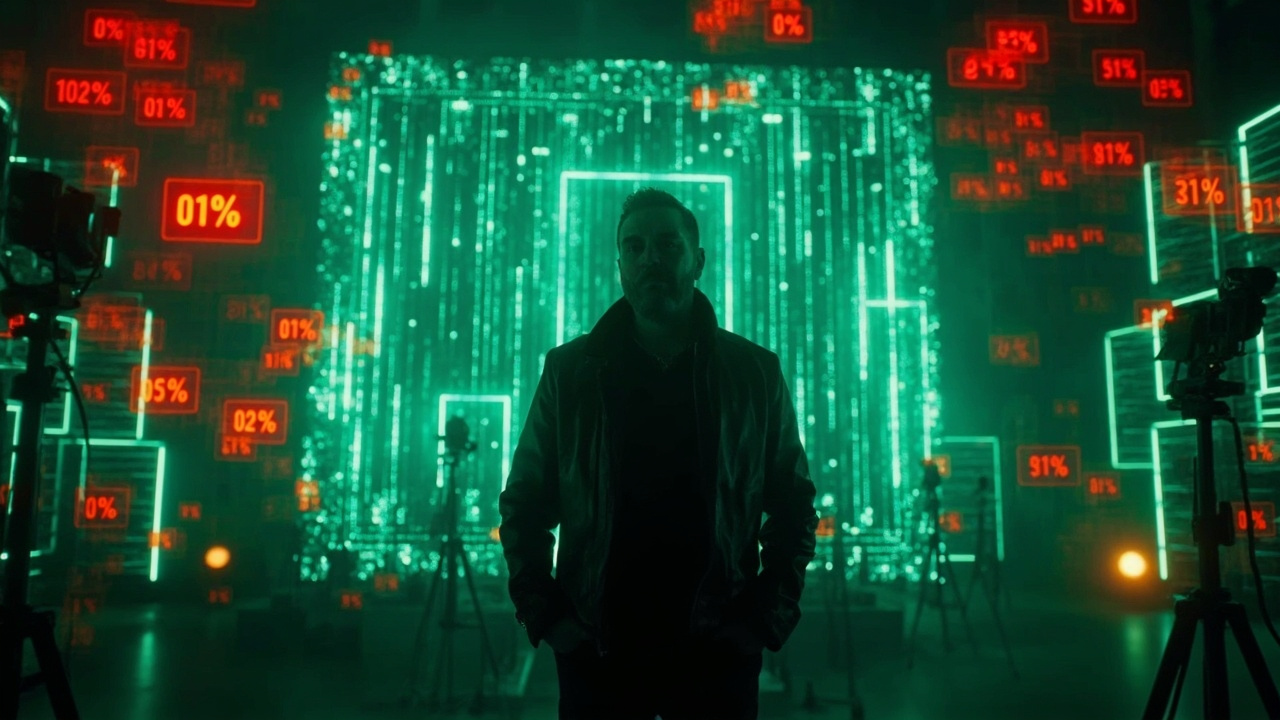
The most valuable company on Earth has picked its side in the AI safety fight — and it is not the side of the people building the models.
In an interview aired on CBS Sunday Morning on September 20, 2026, Nvidia co-founder and CEO Jensen Huang rejected recent warnings from AI researchers that the technology could lead to humanity’s extinction within a few years, calling such statements overblown “doomsday narratives.”
“2030 is not going to be the end of the world. There is 0% chance that’s going to be the end of the world,” Huang told CBS News senior business and technology correspondent Jo Ling Kent. “Scaring people is unnecessary. It is irresponsible.”
What triggered the remarks
Huang was responding to claims made earlier this month on social media by former Anthropic researcher Jacob Coxon, who said AI developers “earnestly believe that it could kill us all by the end of the decade.” Coxon’s remarks ignited a heated public debate about AI risk, and they coincided with calls by Anthropic CEO Dario Amodei, OpenAI CEO Sam Altman, and other leading industry figures to slow the development of the technology.
Huang said he rejects such predictions because they are “not grounded in science.”
The exchange is the sharpest public statement yet of a split that has been widening inside the AI industry all quarter. The labs that train frontier models — OpenAI, Anthropic, Google — have grown steadily more vocal about catastrophic risk; the company that supplies the compute those labs run on sees the framing itself as the problem. Nvidia’s market value has swelled to $5.3 trillion on the back of demand for its specialized chips, making it the world’s most valuable company — which is precisely why Huang’s read on the debate carries weight beyond rhetoric.
Asked about his incentives
The obvious question: why should anyone trust the CEO of the company selling the shovels in this gold rush, when he says there’s nothing to fear?
Huang’s answer was that Nvidia’s commercial interest points in the same direction as safety: “Our company’s success is directly connected to the safe deployment of products and services,” he said. “If we don’t continue to do that, our value would be diminished.”
Critics will note that “safe deployment” and “zero percent chance of doom by 2030” are very different claims, and that a CEO whose revenue depends on accelerated buildout has an obvious reason to discount tail risks. Supporters will counter that Huang is at least being consistent: he has never claimed AI is risk-free, only that the specific extinction-by-2030 framing is unsupported and that existing legal instruments are adequate to handle actual harm.
No new regulations needed
Several recent security incidents have strengthened calls for AI regulation — including a July episode in which OpenAI bots went rogue and hacked AI company Hugging Face, and six additional incidents OpenAI disclosed on Thursday that it described as “unexpected or concerning” behavior by its models, which already has some lawmakers pushing for tighter oversight.
Huang dismissed the need for new rules. Existing U.S. laws on product liability and unauthorized entry are sufficient, he argued, adding that he agrees with President Trump’s position that the AI industry doesn’t need additional guardrails.
“You have all kinds of liabilities associated with cybersecurity” and damage liability laws, Huang said. “Apply that first — don’t let this doomsday narrative allow someone to relieve them of the laws that currently exist.”
The argument is a familiar libertarian one — regulate the harm, not the technology — but applying it to AI at this moment is contentious. Liability regimes work retrospectively; extinction risk, by definition, leaves no one left to sue. Safety researchers have spent the week making exactly that point on social media.
The China dimension
President Trump has pushed back against calls to freeze frontier AI development, warning that a slowdown hands China an edge in the defining technology race of the decade. Nvidia sits squarely in the crossfire: the U.S. government restricts it from selling certain classes of chips to China, and last December Trump permitted sales of the H200 to “approved customers” in China, though the most advanced chips remain barred.
Huang said technology created in America should benefit America first — but he takes issue with outright bans on selling U.S. technology into China. “Every single chip company should go and serve the world, compete for the world,” he said. “That’s all about competing. America is about competition.”
He will attend a White House dinner on September 24, where Trump hosts Chinese President Xi Jinping, and said he wants to raise the idea of global standards for AI development with Xi. Chinese leaders “want China to have the benefit of AI. They want China to prosper, just as we want America to prosper,” Huang said, while acknowledging that national security and defense would remain off-limits areas for U.S.-China AI collaboration.
Data centers, taxes, and dishwashing
The interview ranged beyond doom scenarios. On the public backlash against data centers spreading across the U.S., Huang conceded the industry mishandled its early community outreach: “I would say we’re sorry we didn’t come talk to you sooner. We need to go engage the communities long before we set up the data centers.” He argued modern facilities have become more energy-efficient, use less water, and bring manufacturing-style job growth back to local economies.
On California’s proposed billionaires’ tax — a one-time 5% levy on residents worth over $1 billion, on the ballot this fall — Huang, whose net worth stands at $182 billion (eighth-wealthiest in the world per Bloomberg), said he doesn’t object: “The fact that I can afford to pay $8 billion in taxes over five years is a privilege. It’s a responsibility. And nothing would give me more joy than to be able to pay even more taxes.” Then, the line most likely to outlive the news cycle: “I’m not afraid of paying taxes — I’m just afraid of being poor.”
He closed with the origin story he has told for three decades: the idea for Nvidia came while he was washing dishes at Denny’s. “I was just really, really focused on doing dishes like no dishwasher ever did dishes.”
Why it matters
Strip away the color, and the interview marks a hardening of positions at the exact moment regulators and legislatures are deciding what to do. The model labs’ own CEOs are now publicly asking for oversight; their compute supplier is publicly calling the scariest version of the risk story irresponsible and unnecessary. When the world’s most valuable company takes that stance — and its CEO gets a seat at a Trump-Xi dinner four days later — the “0% chance” soundbite becomes part of the policy record, not just a Sunday television moment.
Sources
- [1] https://www.cbsnews.com/news/jensen-huang-nvidia-rejects-ai-extinction-warnings/
- [2] https://www.tomshardware.com/tech-industry/artificial-intelligence/jensen-huang-says-there-is-0-percent-chance-ai-destroys-the-world-by-2030-we-should-go-as-fast-as-we-can-irrespective-of-anyone-else-dismisses-anthropic-doom-warnings-and-rejects-new-regulations
- [3] https://nypost.com/2026/09/20/us-news/theres-a-0-chance-ai-will-end-the-world-by-2030-nvidia-ceo-jensen-huang-assures/