UK Cinemas Become the Latest Front in the Smart Glasses Backlash
The UK Cinema Association says operators are moving to prohibit or restrict camera-enabled smart glasses over piracy and privacy fears — the newest chapter in a global backlash against Meta's AI eyewear.
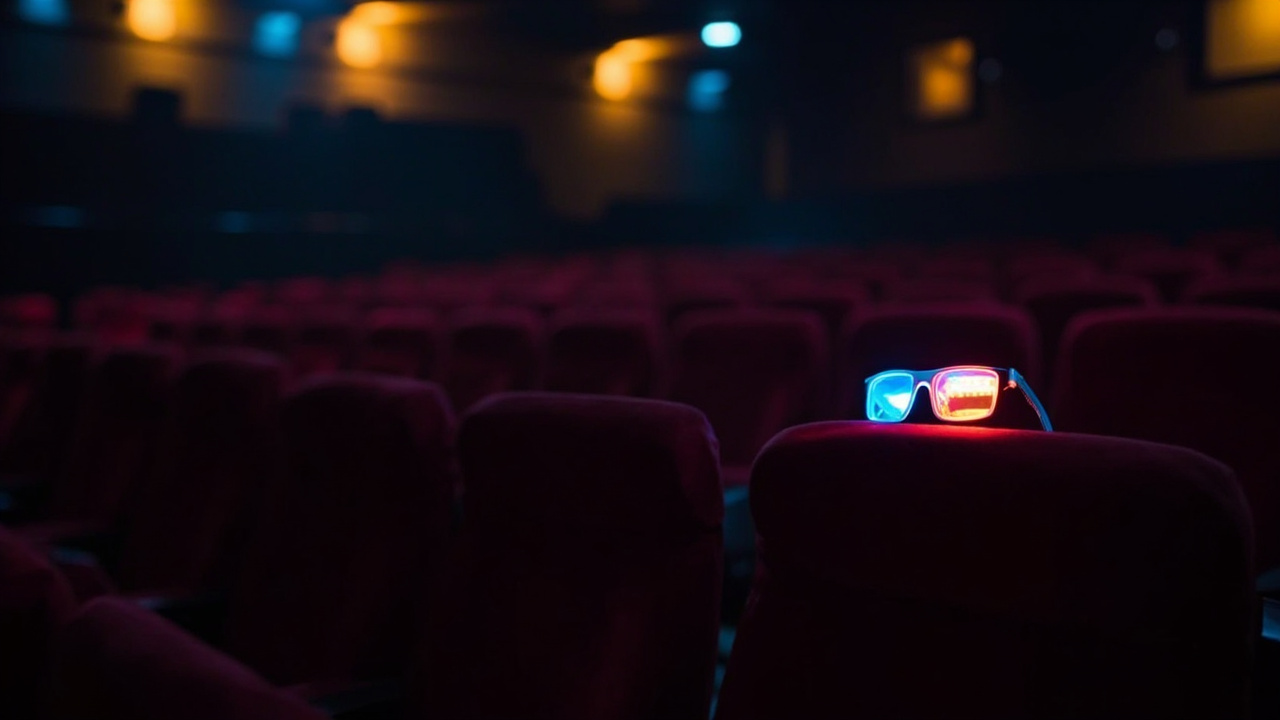
Cinemas across the UK are moving to prohibit or restrict Meta’s camera-enabled smart glasses, according to a statement from the UK Cinema Association (UKCA) issued on 20 August 2026. The trade body, which represents more than 90% of UK cinema operators by number and by market share, said that “many are introducing policies to prohibit and/or restrict the wearing of camera-enabled smart glasses in particular in their venues.”
The announcement, first reported by Sky News and confirmed by The Guardian, adds cinemas to a rapidly growing list of venues that have taken a hard line against the £359 glasses: restaurants, theatres, pubs, courtrooms, American school districts, and even a US federal immigration agency. Critics have nicknamed the device “pervert glasses” and “spyware.” What binds these very different institutions together is a single, unresolved problem: none of them can reliably tell whether the person in front of them is recording.
What the UKCA Actually Said
The trade body struck a deliberately measured tone. It acknowledged that operators “are aware of the increasing availability and use of wearable technology such as smart glasses and the extent to which these can provide benefits to those with specific access requirements.” But it added that operators “are also mindful of the issues around privacy and film piracy that arise around the use of such technology in cinemas.”
Notably, the UKCA said it was not aware of any outright bans by its members to date — the policies under discussion are restrictions, not blanket prohibitions. The body framed its stance as evolving: “This is clearly a developing area, and we will continue to work with our members to ensure their approach remains relevant and proportionate.”
The Accessibility Dilemma
The cinema case is more nuanced than the courtroom or school bans, and the UKCA explicitly flagged why: accessibility. Smart glasses can deliver bespoke subtitles for deaf and hard-of-hearing viewers, and can assist people with visual impairment by describing scenes in real time. Blanket bans risk cutting off a genuinely valuable assistive technology for disabled customers.
This tension runs through Meta’s own response. A Meta spokesperson told The Guardian: “People use our glasses because they’re helpful and let them stay in the moment, from listening to music to live translation or hands-free calls. They also provide critical new technology for people in the blind and low-vision community and limiting how people can use this technology would be a major step backwards. Naturally some places shouldn’t be filmed at all and that’s reasonable but rules should be applied consistently.”
This Policy Is Twelve Years Old
The most striking detail in the UKCA’s announcement is that this rule has existed — largely unnoticed — for over a decade. As TNW reported, the trade body (then called the Cinema Exhibitors’ Association) published guidance in 2014, last updated in January 2023, urging cinemas to ask customers not to bring image-recording wearables into auditoriums at all, whether or not a film is playing. Staff were told to ask anyone wearing such a device to remove it, with the option to ask them to leave.
That guidance was written for Google Glass — a £1,000 beta product that never reached mass adoption before Google withdrew it from consumer sale. “We believe that it is generally more difficult to detect when they are and are not recording, so our approach is a precautionary one,” then-and-current chief executive Phil Clapp told The Register in June 2014.
The policy never changed. What changed is the hardware: Meta debuted its glasses in 2021, sells them through high street opticians, and they now rank among the company’s best-selling hardware. A rule written for a niche prototype now applies to a mass-market consumer product worn by millions.
A Global Pattern, Not a Local Dispute
The cinema announcement lands in the middle of a fortnight of escalating restrictions around the world:
- UK courts. Courts across England and Wales banned Meta smart glasses from judicial buildings on 11 August 2026, with the court service saying anyone trying to enter would have the devices confiscated and returned on exit.
- US schools. School districts in Florida, California and Nevada have written explicit bans after reporting by Futurism documented widespread covert filming inside middle and high schools, overwhelmingly directed at girls. One student filmed himself dropping his phone into a confiscation pouch — while still wearing the camera on his face.
- US immigration agency. Immigration and Customs Enforcement barred employees from wearing the glasses at work this week, treating them as body-worn cameras that “could unintentionally capture, record or transmit sensitive information, potentially compromising privacy and legal protections,” according to a memo from acting director David Venturella reported by the New York Times.
- UK hospitality. Wetherspoons chief executive Tim Martin told The Guardian: “The general code that applies in our pubs, and most pubs, is that you can’t film customers or employees without their permission. Meta glasses seem to breach this code, and common sense, by enabling surreptitious surveillance, so our instinct is to say turn off the cameras.”
- Theatres. ATG Theatres, which operates the Bristol Hippodrome, Edinburgh Playhouse and venues across London, asks patrons wearing the glasses during shows to remove them.
None of these institutions coordinated. The reasons — piracy, child safety, operational security, workplace privacy — barely overlap. The common thread is the detection problem: a blinking LED is the only external signal that recording is happening, and it is easy to miss in a dark auditorium.
Meta’s Engineering Answer
Meta’s position rests on hardware safeguards. The company says a tiny white “capture LED” lights up whenever the glasses are recording, and that frequently updated tamper-detection technology is deployed to stop users covering the light. In July 2026, Meta rolled out an update that disables the camera entirely if it detects physical tampering with the indicator light, after users found ways to bypass it.
Critics counter that an LED is a weak guarantee in practice — people have already complained of being filmed without their knowledge, and in a darkened cinema the light is both harder to see and easier to obscure. The gap between Meta’s technical assurances and institutions’ operational reality is exactly where these bans are being written.
Why It Matters
The smart glasses backlash illustrates a structural problem for wearable AI: the burden of proving that recording isn’t happening falls on everyone except the wearer. Traditional cameras are visible; phones are held up; recording apps show on-screen indicators. Camera-enabled eyewear erases all of these signals at once, and no software update restores them.
For the AI industry, the stakes go beyond one product. Meta has bet heavily on AI glasses as its next hardware platform after smartphones, and the device’s commercial success is real. But if cinemas, schools, courts, and government agencies each independently conclude that the only safe policy is prohibition, wearables risk becoming persona non grata across large swaths of public life — a patchwork of local bans that no single company can negotiate away.
The UKCA’s “relevant and proportionate” language suggests cinemas hope to avoid that outcome, carving out space for accessibility uses while restricting recording. Whether that balance survives contact with an actual pirated blockbuster remains to be seen. What is already clear is that twelve years after Google Glass, society still hasn’t figured out where camera glasses belong — and the number of places deciding “not here” keeps growing.
Sources
- [1] https://www.theguardian.com/technology/2026/aug/20/piracy-fears-prompt-calls-for-ban-on-meta-smart-glasses-in-uk-cinemas
- [2] https://thenextweb.com/news/meta-smart-glasses-bans-cinemas-schools-ice
- [3] https://www.euronews.com/culture/2026/08/20/uk-cinemas-consider-ban-on-meta-pervert-glasses-over-piracy-and-privacy-concerns
- [4] https://www.theguardian.com/technology/2026/aug/11/meta-glasses-banned-from-courts-in-england-and-wales