221,900 AI Shows, 1,055 Hits: China Turns AI Film Into Industrial Policy
Chinese cities are subsidizing rent, compute and living costs to win AI film studios, replicating the EV and solar playbook — but DataEye's numbers show overcapacity is already near.
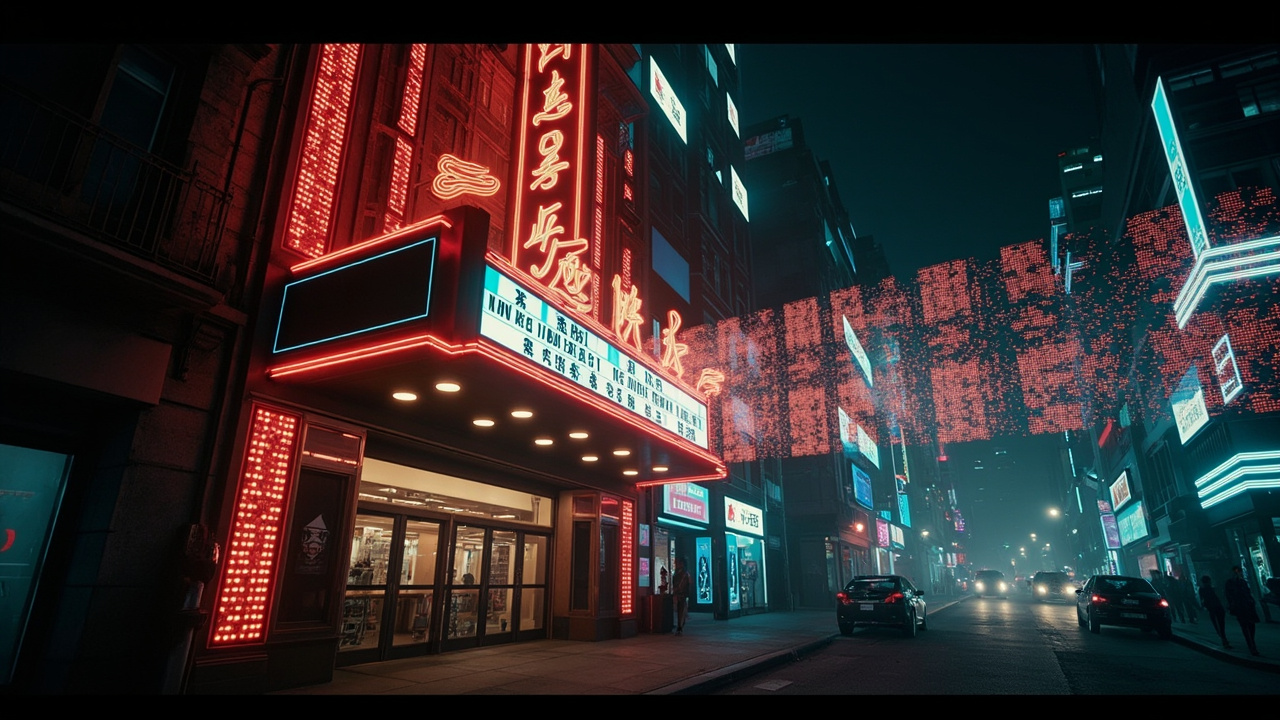
When Zhu Zhili went looking for a base to set up an artificial-intelligence film studio in China two years ago, there was exactly one obvious answer: Shenzhen, with its vast tech ecosystem and its proximity to Hong Kong’s universities. This year, the roles have reversed. Zhu says he now fields calls every day from officials in cities and industrial parks across the country, all delivering the same pitch — bring your AI film business here.
That inversion is the visible edge of a much larger shift. As Reuters reported on September 25, China has decided that AI-generated video is not merely a new genre of internet content but a candidate industry — something to be built, subsidized and exported the way the country previously built electric vehicles, solar panels and robotics into globally competitive sectors. Local governments are promising tech clusters, cheap rent, living allowances and, crucially, subsidized computing power. A fast-emerging ecosystem of AI filmmakers, studios and streaming platforms is forming around those incentives, racing for an early lead in production techniques and distribution.
The playbook, applied to pixels
Anyone who has followed Chinese industrial policy over the past two decades will recognize the structure immediately. Central direction identifies a strategic sector; municipal governments compete fiercely for the companies in it; subsidies flow to producers; costs collapse; volume explodes; the survivors scale globally.
Zhu, who also heads the AI-Generated Content (AIGC) department at China Wit Media in Shenzhen, credits the “best environment” for AI filmmakers — cheap rent, living allowances and computing support. He runs his personal studio out of a shared workspace in Shenzhen backed by the city government and Hong Kong Polytechnic University.
The incentives stack up city by city. Shanghai introduced measures in May to accelerate AI-powered micro-drama production, offering computing power and cloud-based AI models to cut costs and support overseas distribution. Beijing has established a 260 million yuan fund for audiovisual technology, and its Huairou district — the traditional heart of China’s film industry — hands producers of short AI dramas vouchers that reduce their computing bills. Shenzhen layers on technical support for video production, visual effects and content generation, plus subsidized rent.
What the numbers say
Two data points frame both the promise and the problem.
On the production side, costs have fallen off a cliff. In the first half of 2026, the cost of producing AI short dramas plunged from 5,000 yuan (about $747) per minute to just a few hundred yuan, according to state broadcaster CCTV. Pan Xiaojun, a postgraduate film-directing student in Hainan, puts it in personal terms: a surreal wedding scene that would cost 60,000 yuan to shoot conventionally can be brought to life with AI for 1,400 yuan. Subsidies and rent waivers from his local government push his computing costs down further.
On the consumption side, however, the funnel is brutally narrow. According to DataEye, 221,900 new AI shows launched on Douyin — the Chinese version of TikTok — in the first half of the year. Only 1,055 of them drew more than 100 million views, the typical benchmark of success. That is a hit rate of well under half a percent, and it is the classic signature of a market sliding toward overcapacity: enormous supply, constrained demand, falling prices in what many already see as a race to the bottom.
The first licensed AI blockbuster
The state is not only subsidizing supply; it is also beginning to bless it. The National Film Administration has granted a public-screening licence to “Sanxingdui: Future Memories,” a 90-minute science-fiction epic that is the first AI film produced by a major Chinese studio to receive regulatory approval for theatrical release in the country. Producer Bona Film Group says the film is due out this year.
That licensing milestone matters beyond symbolism. Theatrical approval in China is a scarce regulatory asset, and extending it to an AI-generated feature signals that authorities view the technology as part of the legitimate film industry rather than as a gray-zone internet curiosity. Major streaming platforms are following the same signal: iQIYI CEO Gong Yu declared the platform “all-in” on AI in August, and it is offering creators subsidies for AI content that streams on its service.
Pushback: likeness, copyright, and a crude cartoon’s revenge
The welcome is not unanimous. Chinese actors have raised concerns about the use of their likenesses in AI films, feeding broader worries about copyright infringement and job losses for voice actors. Consumers complain of plagiarism and a lack of originality — some creators, as one 22-year-old AI content fan put it, “directly blend other people’s original characters or dance clips into AI-generated content without any credit,” behavior he called completely unacceptable.
Perhaps the sharpest piece of counter-evidence came from the box office itself. “Niu Lai,” a crudely animated but conventionally produced film, became an unexpected hit, and many in the industry read its success as a backlash against AI content — evidence that audiences will still reward craft and provenance when they can perceive them.
The regulatory framework is only half-built. China requires explicit labelling for AI-generated content but has yet to introduce clear copyright rules for it. That gap is doing double duty: it keeps domestic production unconstrained for now, while leaving the industry’s legal foundations unsettled — a tension Europe is watching closely.
The export question
Chinese AI film is already traveling. Director Cao Yiwen premiered her AI-animated film at the World AI Film Festival in Cannes in April and believes China is taking the lead in the industry. Her read on the competition is pointed: “France and the rest of Europe are still watching and waiting to see whether China will introduce clear laws. We fell behind in the first two industrial revolutions, so perhaps this is the Third Industrial Revolution.”
That framing — AI content as a nation-scale second chance at industrial leadership — explains why municipal officials are calling Zhu Zhili every day. Whether the sector escapes the fate of overcapacity that has haunted previous subsidy-driven booms will depend on the variable industrial policy can’t easily manufacture: whether audiences keep choosing to watch.
Sources
- [1] https://www.reuters.com/business/media-telecom/china-fuels-rush-turn-ai-video-into-an-industry-2026-09-25/
- [2] https://www.devdiscourse.com/article/international/3982167-china-fuels-rush-turn-ai-video-into-an-industry
- [3] https://aidapted.ro/en/articles/ai-news-september-26-2026-pope-leo-anthropic-akamai-copilot-gemini/